1) Oversight and accountability
An MGA-licensed casino operates in a controlled environment where:
- Operations are regulated, not self-policed
- The authority can intervene if problems arise
- Casinos have legal obligations toward players
This alone makes MGA casinos a safer choice than platforms operating under weak or unclear licences.
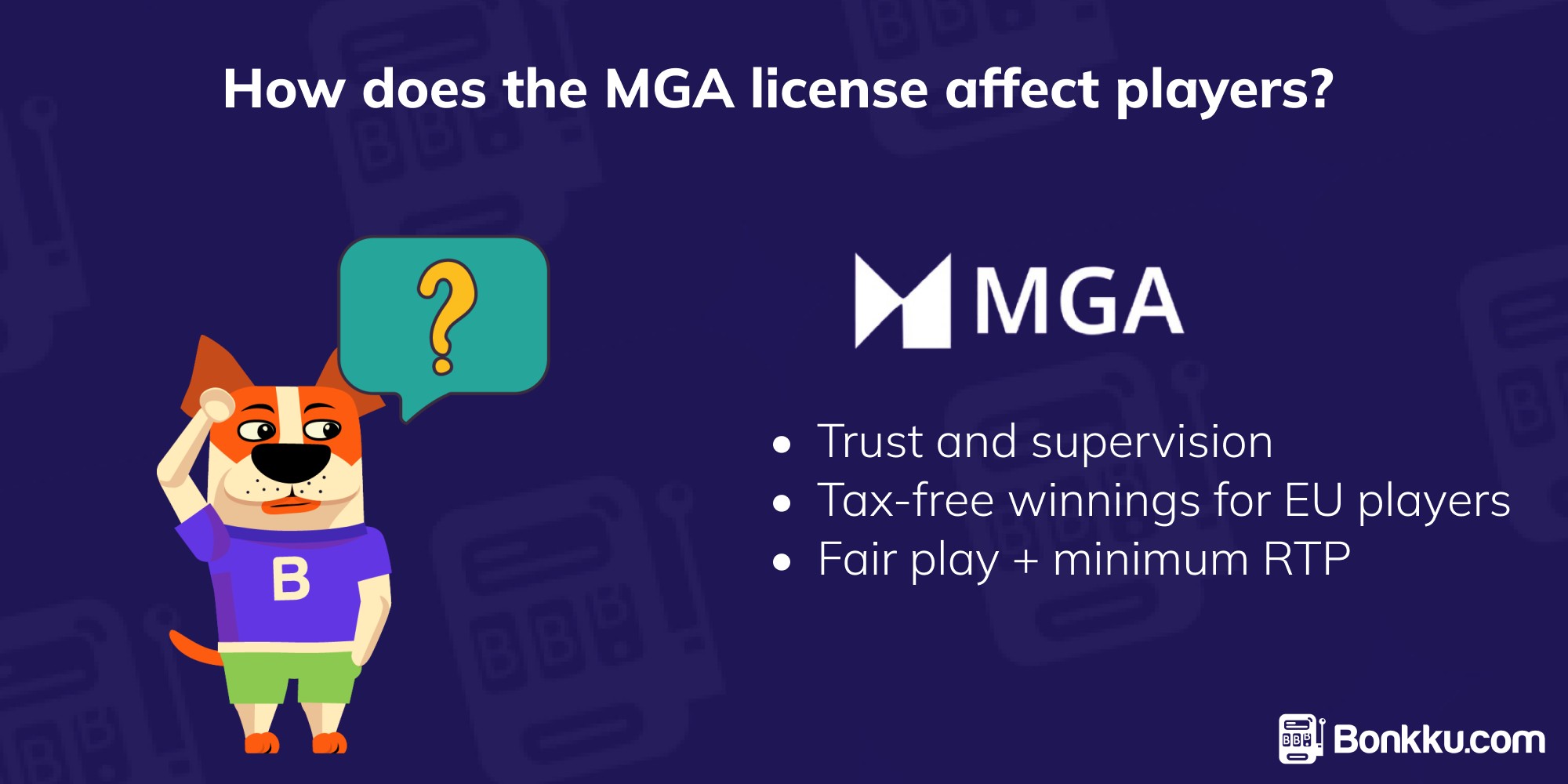
2) Tax-free winnings for EU players
For a large share of EU players, taxation is one of the main reasons why MGA casinos and Malta casinos are so popular.
Because the Malta Gaming Authority operates within the EU regulatory framework, winnings from MGA-licensed casinos are tax-free in most EU countries, as long as the player resides in an EU or EEA state where gambling winnings from EU-licensed operators are exempt from tax. Finland is a well-known example, but similar rules apply in many other EU countries.
That said, not every European player can benefit in the same way. Tax rules always depend on national law, and access to MGA casinos can also be restricted in certain markets. For example:
- UK players generally cannot play at standard MGA casinos, as the UK requires a separate UK Gambling Commission licence
- Some EU countries apply different tax treatment depending on how gambling income is classified locally
3) Fair games and RNG audits
MGA requires licensed casinos to use fair, independently testable gaming systems. From a player’s perspective, this means:
- Slots are not manually manipulated
- Games come from established software providers
- Random number generators can be audited
4) Minimum RTP requirements set by MGA
The Malta Gaming Authority does not allow casinos to set return rates without limits. Under MGA technical standards, slot games must have a theoretical RTP of at least 85%.
This minimum threshold has existed for years, but oversight and reporting requirements were tightened between 2023 and 2024 as MGA updated its technical compliance framework.
Is 85% a high RTP? No, it is very low by modern standards. However, the key point is this: without a minimum at all, the situation could be far worse. The rule creates a floor that casinos cannot legally go below.


 Table of contents
  9.0 / 10.0
 Minimum Deposit 10€
 Claim Bonus