The History of Credit Card Casinos
Credit cards and online casinos grew up together and then their relationship got complicated.
When the first online casinos launched in the mid-1990s, credit cards were the obvious payment solution. They were widely held, internationally accepted, and the technology to process them online already existed from e-commerce. The earliest online casino deposits were straightforward Visa and Mastercard transactions, processed the same way any other online purchase was.
This worked until the early 2000s when the relationship between card networks and gambling operators began to fracture. In the United States, the Unlawful Internet Gambling Enforcement Act (UIGEA) of 2006 explicitly prohibited financial institutions from processing gambling transactions, effectively cutting off credit card deposits to US-facing casinos overnight. Banks and card networks began developing systems to identify and decline gambling merchant codes not just in the US but globally, as card issuers applied similar policies in other markets.
This forced the online casino industry to develop alternatives. The period from 2005 to 2015 saw the rise of dedicated gambling e-wallets Moneybookers (now Skrill), Neteller, and later Trustly and Zimpler precisely because credit card acceptance became unreliable. These services existed specifically to bridge the gap between a player’s bank account and their casino account when direct card transactions were blocked.
Credit cards never disappeared from online casinos entirely, they remained available in markets where regulation permitted them and where individual banks had not applied blanket gambling blocks. But the dominance they held in the late 1990s was replaced by a fragmented payment landscape.
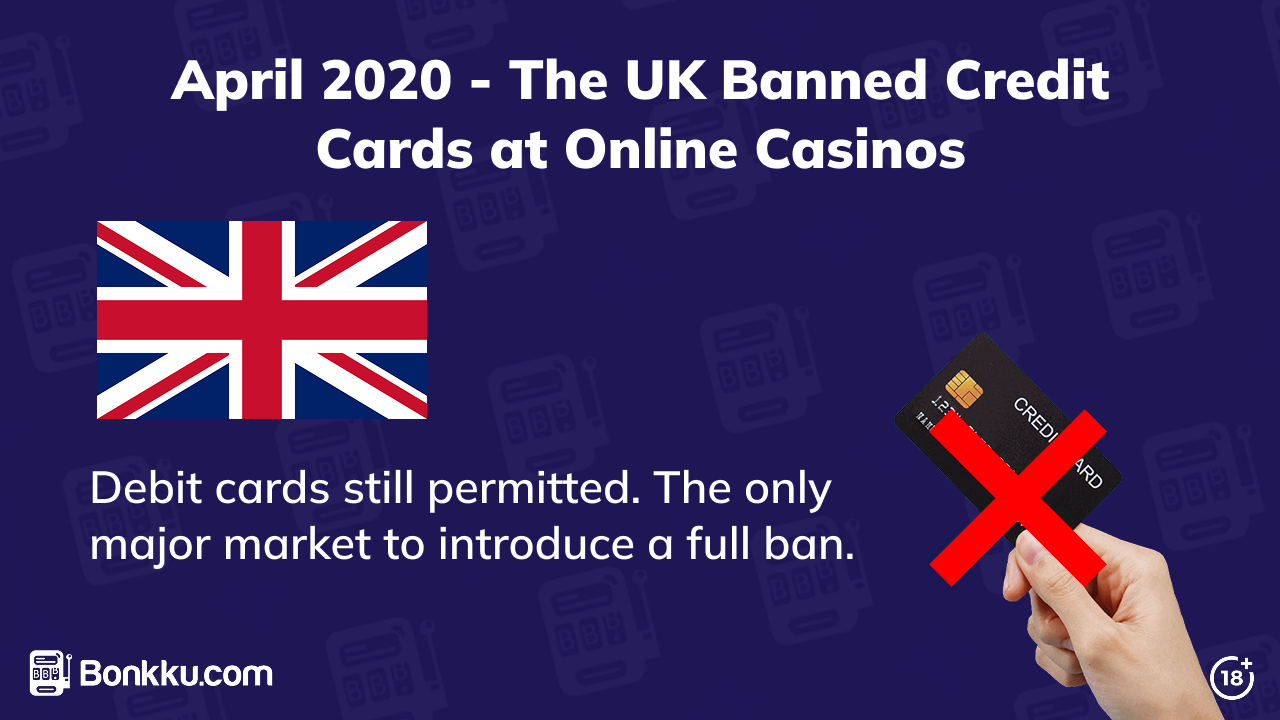
The most significant recent regulatory development came in the United Kingdom in April 2020, when the UK Gambling Commission banned the use of credit cards for all online gambling. The reasoning was consumer protection: credit cards allow players to gamble on borrowed money, which the Commission identified as a direct pathway to problem gambling and debt. Debit cards remain permitted in the UK. The UK ban has not been replicated in most other European markets, but it reflects the direction regulatory thinking is moving globally.
Today, credit ctered casinos inards at online casinos occupy a specific niche: they work reliably for deposits at traditional regis most jurisdictions, they are universally recognised, and they carry fraud protection that other payment methods lack. But they have lost ground to faster, simpler alternatives for the majority of online casino transactions


 9.4 / 10.0

 50 Wager-Free Spins
 Claim Bonus









 Table of contents